


Sleep Apnea Treatment Plans
Snoring was the first sign that Leilani N. had obstructive sleep apnea.
When her grandchildren complained about her frequent snoring, she knew she needed to talk to a doctor.




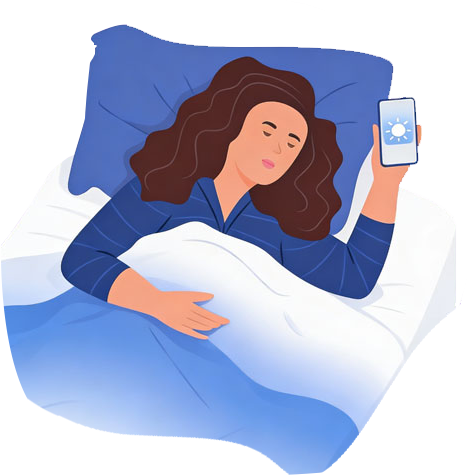


Snoring was the first sign that Leilani N. had obstructive sleep apnea.
When her grandchildren complained about her frequent snoring, she knew she needed to talk to a doctor.
RESCOMF's Customized Obstructive Sleep Apnea Treatment Solution for Leilani N.
When Leilani N.'s grandchildren frequently complained about her snoring, this seemingly ordinary life detail was actually an important signal of obstructive sleep apnea. Leveraging its professional expertise in the field of sleep breathing, RESCOMF tailored a full-process solution for her—covering screening, treatment, and safety assurance—bringing quality sleep back to her life.
Precise Screening Stage
RESCOMF's sleep preliminary screening device enables easy at-home sleep monitoring with no complicated operations. Leilani N. could collect and analyze her sleep data at home, providing scientific basis for doctors' diagnosis. This quickly clarifies the severity of sleep apnea, laying the foundation for formulating subsequent treatment plans.
Targeted Treatment with Legendary Ventilator
Based on the diagnosis results, RESCOMF's Legendary Ventilator becomes Leilani N.'s nighttime health guardian. Specifically designed for patients with moderate to severe sleep apnea, this device accurately senses subtle changes in her breathing during sleep and provides real-time, appropriate airflow support. It effectively opens the obstructed airway, addressing snoring at its root, ensuring unobstructed breathing throughout her sleep, and eliminating sleep interruptions caused by repeated hypoxia.
Comfortable Ventilation Masks
To enhance treatment comfort, RESCOMF offers thoughtful options of ventilation full-face masks and nasal masks. Crafted from high-quality skin-friendly materials and featuring an ergonomic design, they fit closely to the facial contour without causing pressure. Even with long-term wear, comfort is maintained, reducing the sense of foreign body for Leilani N. and making it easier for her to adapt to the nighttime treatment rhythm.
Comprehensive Safety Assurance
Treatment safety is equally indispensable. RESCOMF's ventilator disinfection equipment thoroughly and efficiently disinfects the ventilator and its accessories, completely eliminating bacteria and microorganisms that breed during use. This avoids the risk of cross-infection, allowing Leilani N. to use the device with peace of mind every time and continuously ensuring a clean and safe treatment environment.

Sleep is an important part of the human body's physiological needs and holds significant meaning for physical health, mental health, and daily life. Details are as follows:
Promote physical repair and growth: During sleep, the body enters a phase of self-repair and growth. For example, during deep sleep, the body secretes a large amount of growth hormone, which is crucial for the growth and development of children and adolescents, promoting the growth of bones, muscles, and other tissues. For adults, growth hormone helps repair damaged tissues and cells and enhance immunity. For instance, when the body is injured or ill, adequate sleep can accelerate wound healing and recovery from illness.
Enhance memory and learning ability: Sleep plays a key role in consolidating memory and improving learning ability in the brain. During sleep, the brain organizes, classifies, and stores information acquired during the day, converting short-term memory into long-term memory. Studies have shown that good sleep helps improve learning efficiency. For example, students who get sufficient sleep before exams often perform better, with a deeper understanding and memory of knowledge.
Stabilize mood and improve mental health: Lack of sleep has a negative impact on mood, making people more prone to emotional issues such as anxiety, depression, and irritability. Adequate sleep, however, helps stabilize mood, enabling us to maintain a better mental state when facing life's pressures and challenges. For example, people with long-term sleep deprivation are more likely to fall into low mood, while improving sleep quality can gradually stabilize emotions and enhance psychological resilience.
Improve attention and reaction ability: Sufficient sleep keeps the brain awake and alert, improving attention and reaction speed. In daily life, whether driving, working, or engaging in other activities that require concentration, good sleep is the foundation for safety and efficiency. For example, drowsy driving is prone to traffic accidents, while adequate sleep allows drivers to maintain sharp reaction ability and respond to various emergencies in a timely manner.
Maintain normal metabolic function: Sleep is closely related to the body's metabolism. Lack of sleep affects the secretion of hormones such as insulin, leptin, and ghrelin. Imbalance of these hormones leads to increased appetite, slowed metabolism, and thus a higher risk of diseases such as obesity and diabetes. Adequate sleep helps maintain normal metabolic function, promoting fat burning and energy balance. For example, ensuring 7-8 hours of high-quality sleep every day can help the body better control weight and maintain blood sugar levels.
Protect cardiovascular health: Lack of sleep causes increased blood pressure and heart rate, increasing the burden on the heart and blood vessels, which may lead to cardiovascular diseases in the long run. Adequate sleep helps lower blood pressure, regulate heart rate, and maintain the health of the cardiovascular system. For example, people who maintain good sleep habits for a long time have a relatively lower risk of cardiovascular diseases such as coronary heart disease and stroke.
Maintaining good sleep is crucial for physical and mental health. Here are some effective methods:
Establish a regular sleep schedule: Try to go to bed and get up at the same time every day, even on weekends, without significant time differences. For example, going to bed around 10:30 p.m. and getting up around 6:30 a.m. Consistently doing this helps regulate the biological clock, allowing the body to adapt to a fixed sleep rhythm and improve sleep quality.
Create a comfortable sleep environment: Keep the bedroom quiet, dark, and cool. Earplugs and eye masks can be used to reduce external interference. Choose a comfortable mattress, pillows, and appropriate bedding. In addition, keeping the bedroom clean and well-ventilated is important, such as regularly changing bed sheets and pillowcases, and properly ventilating before going to bed to keep the air in the bedroom fresh.
Avoid stimulating substances: Avoid caffeinated drinks such as coffee, tea, and cola, as well as smoking and drinking alcohol, within 4-6 hours before going to bed. Caffeine and nicotine are stimulants that can irritate the nervous system and make it difficult to fall asleep. Although alcohol may make people feel relaxed in the short term, it disrupts the normal structure of sleep, leading to reduced sleep quality.
Exercise moderately: Moderate exercise helps improve sleep, but intense exercise should be avoided shortly before going to bed. You can choose to exercise during the day or evening, such as walking, jogging, yoga, etc., for about 30 minutes each time. Exercise can promote blood circulation, enhance physical fitness, and help release pressure, making it easier to fall asleep.
Manage stress: Stress and anxiety are common factors affecting sleep. You can manage stress through relaxation techniques such as deep breathing, meditation, and progressive muscle relaxation. Spending 15-20 minutes doing relaxation exercises before going to bed helps relieve tension, relax the body and mind, and make it easier to fall asleep. In addition, arranging work and life reasonably and avoiding overwork can also reduce the impact of stress on sleep.
Limit the use of electronic products: The blue light emitted by electronic devices (such as mobile phones, computers, tablets, etc.) inhibits the secretion of melatonin and interferes with sleep. Therefore, try to avoid using these devices within 1 hour before going to bed. If you need to use them, you can set them to night mode or wear anti-blue light glasses to reduce the impact of blue light.
Develop good pre-sleep habits: You can engage in some relaxing activities before going to bed, such as taking a hot bath, drinking a cup of warm milk, or listening to some soothing music. These activities help relax the body and mind and prepare for sleep. Avoid intense mental activities or discussing topics that cause emotional fluctuations before going to bed, so as not to overstimulate the brain and make it difficult to fall asleep.
Pay attention to diet: Do not eat too full or too late for dinner, to avoid indigestion affecting sleep. Try to avoid spicy, greasy, and heavy-flavored foods, which may cause gastrointestinal discomfort. You can choose some light and easy-to-digest foods, such as vegetables, fruits, and whole-wheat bread.
The main instrument products of the Anshuimei brand that are helpful for sleep disorders include the following:
Anshuimei Sleep Ventilator: For people with breathing-related sleep disorders such as obstructive sleep apnea syndrome, the Anshuimei Sleep Ventilator maintains airway patency through continuous positive airway pressure (CPAP). It prevents apnea and hypopnea during sleep, effectively improves sleep quality, reduces the number of nighttime awakenings, and enhances daytime mental state. For example, patients with severe sleep apnea can experience relieved apnea symptoms and improved sleep conditions after use.
Anshuimei SW20 Sleep Watch Oximeter: This product can real-time monitor physiological data such as blood oxygen saturation and heart rate during sleep⁹. Through the analysis of these data, users and doctors can understand the body's condition during sleep, determine whether there are sleep disorders caused by problems such as low blood oxygen, provide a basis for diagnosis and treatment, and then take targeted measures to improve sleep.
 App Store
 Google Play