




Showcase
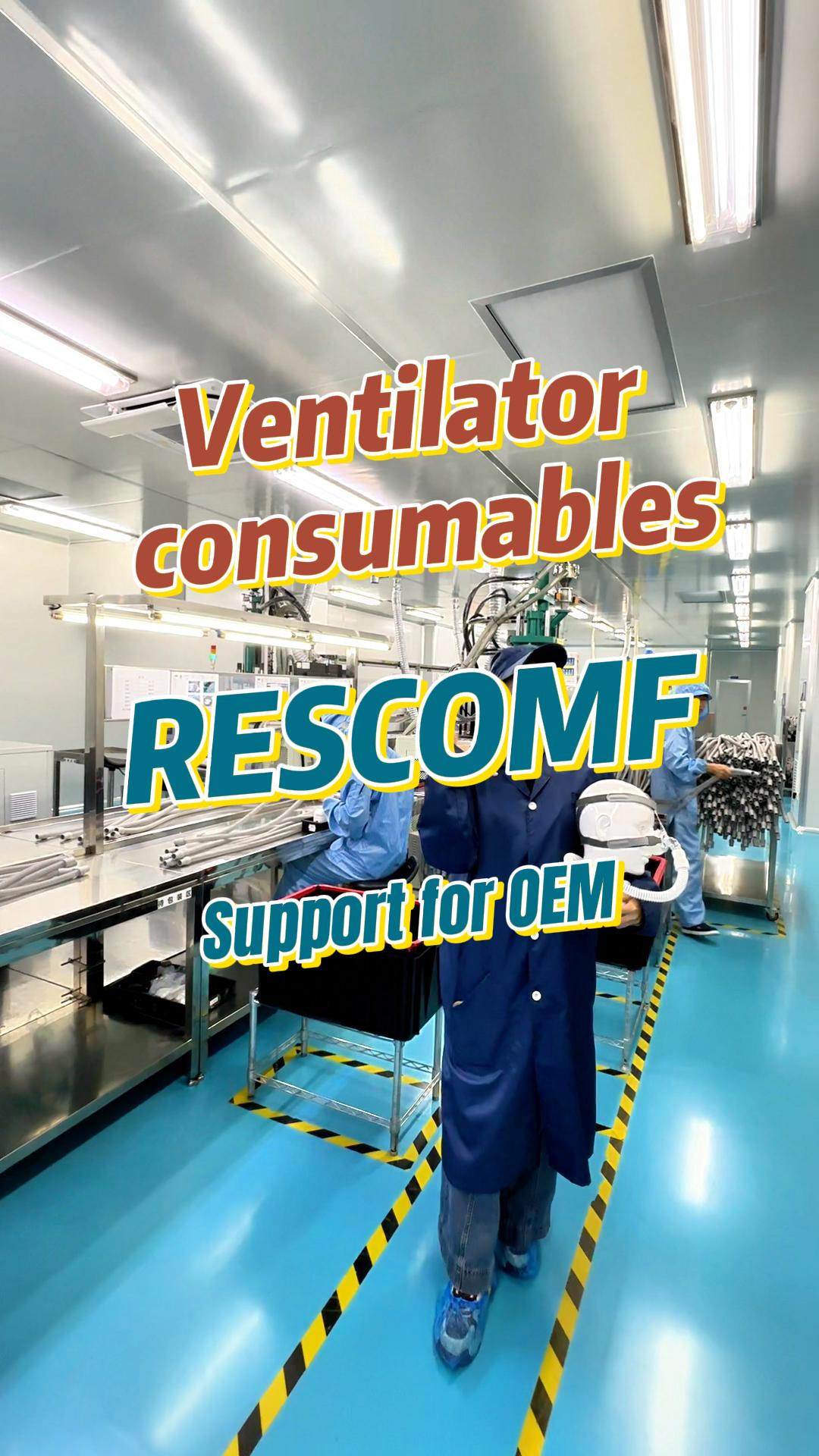
Visit our agents



FAQ

-
Does wearing a watch while sleeping at night emit radiation?The sleep watch detects blood oxygen saturation and pulse rate, so it does not emit radiation harmful to the human body.
-
Guidelines for the Diagnosis and Treatment of Obstructive Sleep Apnea-Hypopnea Syndrome
I. Definition
Obstructive Sleep Apnea-Hypopnea Syndrome (OSAHS) refers to a condition characterized by apnea and hypoventilation caused by upper airway collapse and obstruction during sleep, accompanied by snoring, sleep structure disturbance, frequent decreases in blood oxygen saturation, and daytime sleepiness.
Apnea is defined as the cessation of oronasal airflow for ≥10 seconds during sleep.
Hypopnea (hypoventilation) is defined as a reduction in respiratory airflow intensity by ≥50% compared to the baseline level during sleep, accompanied by a 3% or more decrease in blood oxygen saturation (SaO₂) or arousal.
The Apnea-Hypopnea Index (AHI) refers to the average number of apnea and hypopnea episodes per hour of sleep.
Obstructive apnea is defined as the absence of oronasal airflow during apnea, while thoracic and abdominal respiratory movements persist.
II. Diagnosis
1. Diagnostic Criteria:
(1) Symptoms: Patients typically present with daytime sleepiness, severe snoring during sleep, and recurrent apnea.
(2) Signs: Examination reveals factors associated with upper airway narrowing.
(3) Polysomnography (PSG): The test shows recurrent apnea and hypopnea episodes ≥30 times during 7 hours of sleep per night, or an Apnea-Hypopnea Index (AHI) ≥5, with the majority of apnea episodes being obstructive.
(4) Imaging Examinations: Demonstrate structural abnormalities of the upper airway.
(5) Differential Diagnosis:
OSAHS needs to be differentiated from the following diseases:
Central Sleep Apnea Syndrome, hypothyroidism, acromegaly, narcolepsy, laryngospasm, vocal cord paralysis, epilepsy, and neuromuscular diseases.
2. Severity Classification of OSAHS
Degree Classification AHI Mild 5~20 Moderate 21~40 Severe >40 Appendix: Classification of Hypoxemia Severity
Degree Classification Sa0(%) Mild >85 Moderate 65~84 Severe <65
Note: OSAHS is classified based on the AHI, with hypoxemia status specified. For example: If AHI = 25 and the minimum SaO₂ (%) = 88, the report should be "moderate OSAHS with mild hypoxemia".
2. Classification by Obstruction Site:
Type I: The narrow site is above the nasopharynx (nasopharynx, nasal cavity).
Type II: The narrow site is in the oropharynx (at the tonsil level).
Type III: The narrow site is in the hypopharynx (at the base of the tongue, epiglottis level).
Type IV: There is narrowing in all the above sites or in two or more sites.
-
Adapter User Manual and Operation Video
-
The silicone pad of the FM is not as stable as that of the NM. Is their design different?
Yes, the design is the same. The reason the silicone pad of the FM is not stable may be that it was not well embedded during assembly. It will become stable as long as the contact surface between the two parts is reduced.
-
How to choose a breathing mask?
For patients using a ventilator, the choice between a nasal mask and an oronasal mask should be determined based on the patient's condition and tolerance.
The advantages of a nasal mask include: small dead space, no interference with speaking, eating, or expectorating sputum, lower risk of aspiration during vomiting, and the ability for the patient to freely control whether to trigger the ventilator. Its disadvantage is that it is prone to air leakage during mouth breathing, which reduces efficacy. Nasal mask ventilation should be the first choice for patients with mild respiratory failure; if ineffective, an oronasal mask should be used instead.
The disadvantages of an oronasal mask are: larger dead space, the need to disconnect from the ventilator when eating, speaking, or expectorating sputum, higher risk of aspiration during vomiting, and a high incidence of gastrointestinal distension when the mask pressure exceeds 25 cm H₂O. Its advantages are less air leakage and faster improvement in blood gas compared to nasal mask ventilation, making it the first choice for severe respiratory failure.
The principle for mask selection is "prefer smaller to larger" to minimize ventilation dead space. Regardless of the mask type used, since the structure and function of the upper respiratory tract remain intact, the heating and humidifying functions of inhaled gas are not significantly affected. If conditions permit, an electrically controlled constant-temperature heater is preferred to improve tolerance, which is particularly important in dry and cold northern regions.
Discomfort caused by the ventilator mask is the main reason patients cannot tolerate treatment. Therefore, the contact between the mask and the skin should not be too tight; a small amount of air leakage is allowed and will not cause a drop in airway pressure. The tightness of the fixing straps should be such that two fingers can be inserted between the strap and the skin. Adding a protective pad can block air leakage and reduce irritation to the skin and eyes. If there is significant gastrointestinal distension, the pressure should be reduced and a gastric tube inserted; the junction between the gastric tube and the mask can be sealed with tape.
Clinically, nasal masks and oronasal masks are commonly used for ventilators. In special cases, such as maxillofacial deformities, significant facial depression due to tooth loss in the elderly, or skin damage on the bridge of the nose caused by improper mask fitting, nasal plugs or mouthpieces can be selected for ventilator connection based on the situation.
Oronasal masks, with less air leakage, are suitable for treating patients with severe respiratory failure; once the condition stabilizes, a nasal mask can be used instead to enhance tolerance. Multiple nasal masks and oronasal masks of different sizes and types should be prepared for patients to choose from.
-
Transmission routes of harmful pathogens
A large number of harmful pathogens in the interior of the ventilator, humidifier, pipeline, and mask, together with air, directly enter the alveolar tissues through the high-pressure airflow of the ventilator, deposit there, and then transfer to other organs through the circulatory system, causing serious harm to the human body.
For example, Candida albicans is usually present in the oral cavity, upper respiratory tract, intestines, and vagina of normal people. Generally, it exists in small quantities in a normal body and does not cause diseases. However, when the body's immune function or general defense ability declines, or the mutual restriction of normal flora is imbalanced, this bacterium multiplies in large numbers and changes its growth form (germ tube phase), invades cells, and causes diseases.
Candida albicans can invade many parts of the human body, causing:
1. Cutaneous candidiasis, which tends to occur in skin folds (armpits, groins, under the breasts, around the anus, nail grooves, and between fingers). The skin appears flushed, moist, and shiny, sometimes covered with a white or cracked substance, with small blisters around the lesion.
2. Mucosal candidiasis, most commonly thrush, angular cheilitis, and vaginitis. The mucosal surface is covered with white films of varying sizes like curds. After removal, a flushed base is left, with cracks and superficial ulcers.
3. Visceral and central nervous system candidiasis, which can be caused by the spread of pathogens from mucous membranes, skin, etc., including pneumonia, gastroenteritis, endocarditis, meningitis, encephalitis, etc., and occasionally sepsis.
Prolonged use of the interior of the ventilator, humidifier, pipeline, and mask will lead to a large number of...
-
How to choose and purchase a ventilator?
It depends on the patient's specific conditions: For patients with only Obstructive Sleep Apnea (OSA) and normal lung function, a single-level ventilator (CPAP) can be selected if they can adapt to it after use. If a patient experiences difficulty in exhalation (dyspnea) and cannot tolerate a CPAP ventilator, an automatic ventilator (Auto CPAP) is recommended. The Auto CPAP ventilator offers good wearing comfort and easy operation, and can record the patient's sleep data, making it the most widely chosen model among current users. For patients with impaired lung function, such as those with Chronic Obstructive Pulmonary Disease (COPD) or restrictive lung disease, a bi-level ventilator (BiPAP) must be selected.
-
Why is the silicone pad of the FM harder than that of the NM?
The materials are the same; only the size and shape differ, resulting in different wearing coverage, which is why you feel that the silicone pad of the FM is harder than that of the NM.
-
What components does a ventilator consist of?
A ventilator mainly consists of three parts: the main unit, the heated humidifier, and the nasal mask (or face mask, or oral-nasal mask). We have prepared a full set of products for you to choose from, and you can also purchase them in free combinations or buy the main unit and accessories separately.
-
Does the treatment pressure of the ventilator I am using need to be adjusted?
If your weight has changed, you need to reset the treatment pressure if you are using a single-level or bi-level ventilator. However, no adjustment is needed for an automatic ventilator (Auto), as it can automatically adjust the treatment pressure level.
-
Do I need to equip a heated humidifier when purchasing a ventilator?
Yes, a ventilator must be matched with a heated humidifier. The air flow after heating and humidification can not only reduce side effects caused by nasal dryness such as nasal congestion and bleeding, but more importantly, it reduces nasal resistance, effectively ensures the stability of pressure inside the mask, and can greatly improve the therapeutic effect and compliance of using the machine, which is crucial for patients undergoing long-term machine therapy.
-
What is the voltage of the ventilator?
The voltage of the ventilator is universal (110v-240v), and it can be directly connected to the domestic power supply after purchase.
